Asteroid Goddesses
Demetra George
What the Moon and Venus cannot speak to, George hands to four goddesses.
What the Chart Could Not Say
If you have been reading charts for a few years and have looked closely at your Sun, Moon and Ascendant, there may still be a few things you cannot place. You do your work well, say, yet you are always afraid of being thought too strong, and in meetings you say only half of what you mean. Or in a relationship you keep a running account in your head of how much you have given up for the other person. Or you badly need a stretch of time alone, and the people around you think something is wrong.
None of this can be read from the Moon, or from Venus, because in traditional chart reading these were the only two significators for women: the Moon was the mother, Venus the wife or lover. If the centre of a person's life lay in learning, or in work that had to be done alone, it was hard to find anywhere in the chart that spoke to it. Men have the same gap. The side of a man that wants to look after others was usually credited to his wife.

Asteroid Goddesses, written by Demetra George with Douglas Bloch, set out to fill this gap. It first appeared in 1986 and was later reissued; the edition most often seen today is the 2003 Ibis Press edition. It deals with the first four asteroids to be discovered: Ceres, Pallas, Vesta and Juno. All four are in everyone's chart, men's included.
In the spring of 1973 George went to her first astrology conference and met Eleanor Bach. Bach had just published the first asteroid ephemeris. When she heard that this young woman's name was the Greek name of Ceres, and that Ceres in her chart opposed her Sun, she gave her a table of the asteroids' positions. George went home to Oregon and began placing the four asteroids in her clients' charts, looking at them one by one; she spent ten years and several thousand charts before she started to write. Once the book was finished it very nearly went unpublished. Asteroids were still a suspect technique in astrology at the time, and the first astrological publisher turned the manuscript down. The editor who eventually took it on told the authors that the first printing would probably not sell out, but that the subject deserved a book.
In the Preface to the First Edition she asks the question on everyone's behalf:
Aren't we doing just fine with the ten planets?
What She Added
The first thing George did was fill in the missing places. Each of the four goddesses governs one function: Ceres is the mother, Pallas the daughter, Vesta the sister, Juno the wife, and together with the Moon and Venus they form a circle. With that, how a person thinks, how a person is alone, and how a person keeps faith in a relationship all have a planet in the chart that can be read.
The second was a return to the myths. In George's view these stories had been rewritten, generation after generation, to suit those in power, and what remained in people's minds had lost its shape. Juno is the example. She has always been told as the jealous wife, and that image has in turn taught women to see other women as rivals. George offers a comparison: looking at images of women is like looking at a ray of light filtered through a smudged, dirty windowpane. So before reading the planet you have to restore the story, and only then do you know what the goddess in your chart was originally like. If your Juno is strong and all you remember is the word “jealous”, you will think there is a jealous person in your chart. If you know how her marriage began, what you read is someone holding on to herself in an unequal relationship.
George reads the myths this way because their plots can be carried straight into chart reading. Ceres lost her daughter and was later forced to share her with Pluto. So when George discusses aspects between Ceres and Pluto, she speaks of life lessons such as losing a child or sharing a child with others, and this pairing is often connected with who has the care of the children.
This way of reading charts travelled a long way. In the Preface to the Ibis Press Edition, written in 2003, George recalls that the book spread around the world and was translated into several languages, and that by the late 1990s Cosmopolitan's Yearly Forecast issue was writing about Juno; she knew then that the asteroids had entered the public eye. She received the Marion D. March Regulus Award in 2002, later turned to the study of Hellenistic astrology, and published Ancient Astrology in Theory and Practice in 2019 and 2022.
What You Gain from Reading It
The book is about goddesses, but what it describes are functions everyone has. In the past, women expressed only Ceres the mother and handed Saturn's role as father to their husbands; men did the opposite, expressing only Saturn and handing Ceres to their wives. So a man who is very good at earning a living for his family, yet does not know how to care for anyone or how to be cared for, will find himself in Ceres just as surely.
The feeling that you must perform well to deserve love has to do with how you were fed and responded to as a child, and that is what the Ceres chapters are about. If your career is going well yet people keep asking why you haven't settled down, or you say only half of what you mean in meetings so as not to seem too strong, that awkwardness has its source in Pallas. Those who often tell themselves in a relationship, “I gave up so much for you,” can read Juno; the resentment comes from sacrifice that was never acknowledged. Wanting time alone after a breakup, after leaving a job, or once the children have grown is Vesta's province, and she gives solitude a dignified name.
Chapter by Chapter
Chapter One: The Asteroids – Agents of Transformation
This chapter sets out the historical background. George notices that when new bodies are discovered, society is often in great upheaval as well: Uranus corresponds to the American and French revolutions, Pluto to the atomic age. The first four asteroids found were all named after goddesses, and the early 1970s, when the first ephemeris appeared, were exactly when women were entering politics, the arts and the professions in large numbers, and men were having to claim their own feeling side. These correspondences are her observation; you can read them as one way of looking at history.
Chapter Two: The Asteroids – Harbingers of a New Mythology
This chapter is about how the myths should be read. What George cares about most is “distortion”. She believes that between the Age of Taurus and the Age of Aries, the matrilineal farming cultures gave way to patriarchal nomadic ones, and the great goddesses of earlier times became faint shadows in Olympian myth.
She also quotes Alexander Ruperti: a groove worn in childhood later becomes a rut, and finally a grave. The point is that patterns learned when we are young stay with us a long time. If, as a child, crying was the only way to get attention, then as an adult that is still the first thing a person reaches for when trouble comes.
Later in the chapter she describes three stages of intimate relationship. Lilith leaves when a relationship does not satisfy her; Juno stays even when it does not; Psyche builds the relationship bit by bit. If every relationship of yours makes you want to leave at the first big fight, you are probably still at the first stage, and next time you can say everything you have to say before you decide.
Chapter Three: The Mandala of the Asteroid Goddesses
This is the map of the whole book. The Sun and Moon form the ground, Venus stands at the centre, Ceres at the bottom of the chart, Pallas at the Midheaven, Vesta at the Ascendant and Juno at the Descendant. For each she describes what it looks like when the goddess is blocked: Ceres holds on too tightly, Pallas feels incompetent, Vesta is lost and isolated, Juno is lonely and shallow. This chapter is worth reading twice, because each time you read about a goddess later on, you can come back to this map and see where she stands.
Chapter Four: Ceres: The Great Mother
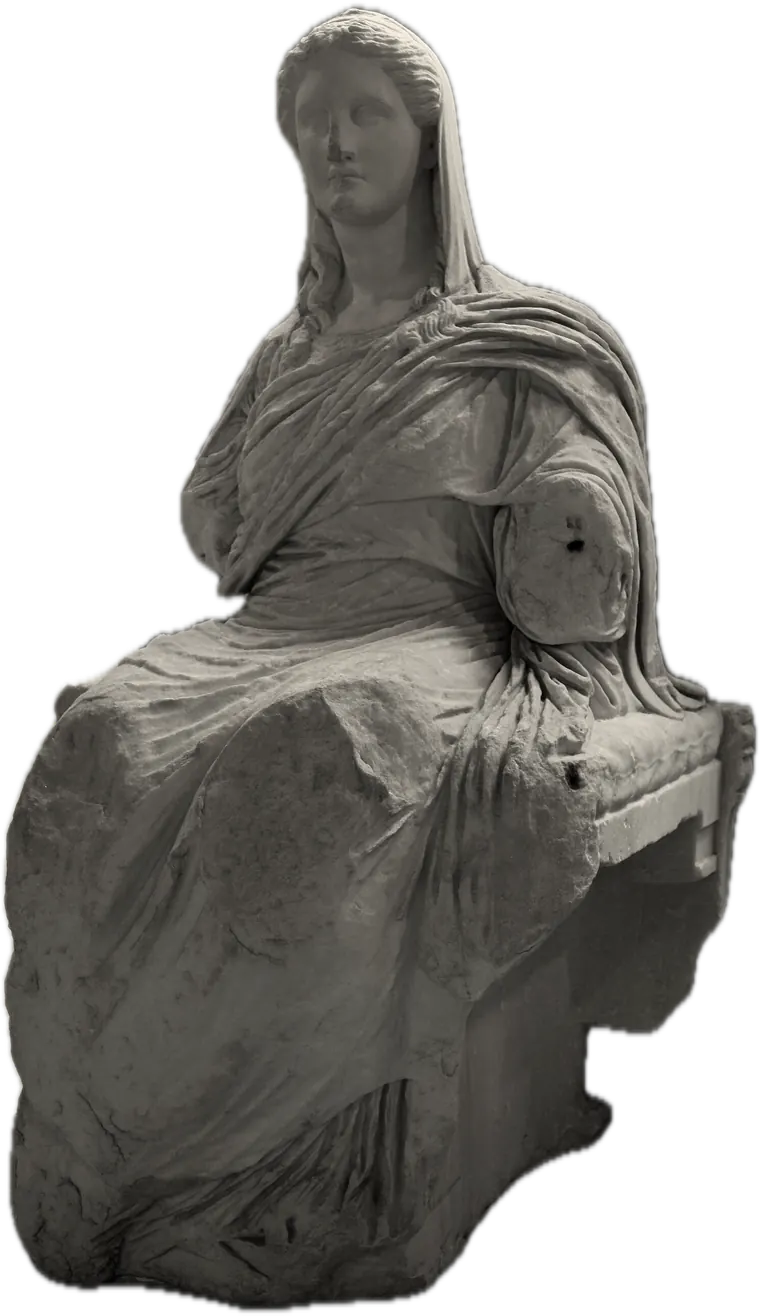
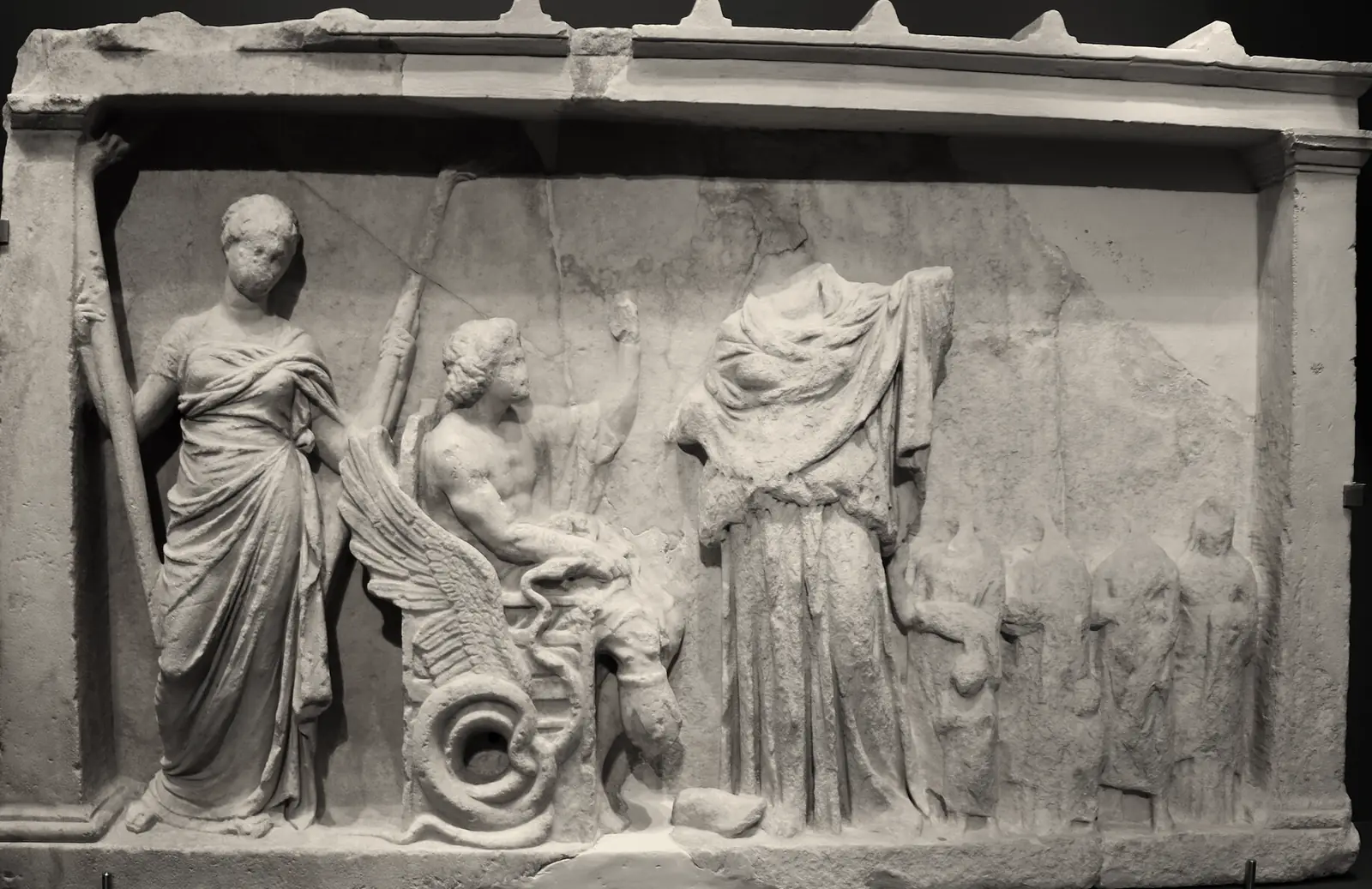
In the golden age there was no winter, and mother and daughter went everywhere together. On a plain, the daughter Persephone picked a hundred-bloomed narcissus; the earth split open, Pluto drove up in his golden chariot and carried her off, and the ground closed again without a trace. For nine days and nine nights Ceres neither ate nor washed, searching everywhere with a torch in her hand. Only on the tenth day did she learn that Zeus had agreed to it long before.
She let the earth bear no harvest and refused every gift the gods sent; she wanted only her daughter. When her daughter at last came back, the first thing she asked was whether she had eaten anything below, because anyone who has eaten the food of the underworld cannot fully return. The daughter had eaten pomegranate seeds, and so for part of each year she must go back to the underworld, spending the rest of the year above ground. That is how the seasons came to be.
George believes the abduction of the daughter was added later, and that it reflects a patriarchal culture overpowering the worship of the matrilineal goddess. Astrologically, Ceres governs attachment and loss; the tighter the grip, the more one must learn to let go. So Pluto has his part to play here too: he breaks Ceres's exclusive hold on her child. When George writes about grief, she gives most weight to anger, because the anger that follows a loss needs somewhere to go.
pain, like the winter, is impermanent and passes with time
Chapter Five: Ceres in the Horoscope
From this chapter on the book becomes a tool, listing the twelve signs, the twelve houses and the aspects one by one. Each sign entry follows the same pattern: what a person with Ceres in this sign equates with being nurtured. With Ceres in Aries, love means being given independence. With Ceres in Capricorn, you are loved only when you perform well. People with Ceres in the tenth house must learn to love themselves for who they are, setting their achievements aside for a while. If a weekend passes and nothing gets done, such a person feels uneasy, as though the two days were wasted.
Chapter Six: Pallas Athene: The Warrior Queen
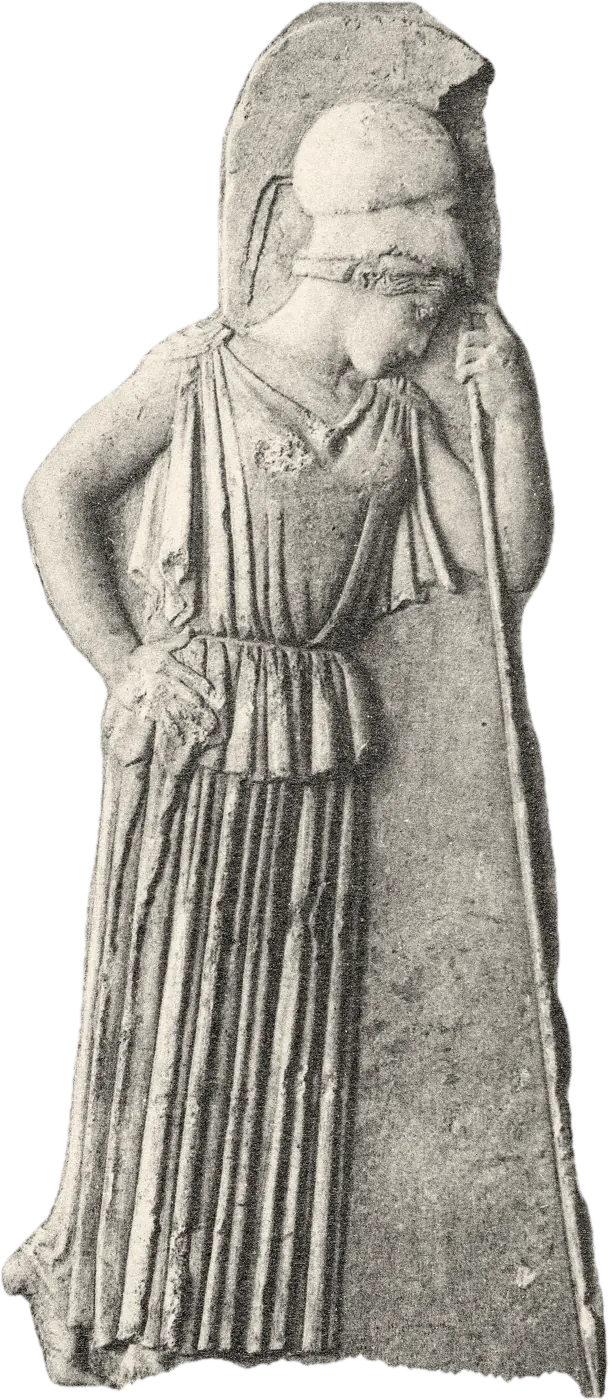
Pallas was the guardian of Athens. She presided over war, yet also taught people to settle disputes peacefully, and she invented the flute, the potter's wheel and the plough. Springing fully armed from the head of Zeus is the version everyone knows. George sets out the other versions too: her mother was Metis, goddess of wisdom, whom Zeus swallowed whole while she was carrying the child. In other words, wisdom was swallowed and then remade to serve the state.
Poseidon violated Medusa in Pallas's temple, yet it was Medusa whom Pallas punished. She gave Athens the olive tree and won the city from Poseidon; Poseidon sent a flood, and to appease him the gods took from the women of Athens their citizenship, their vote and the right to pass their name to their children.
Pallas Athene won the battle, but lost the war.
Astrologically, Pallas speaks of a wisdom that sees the whole, that grasps at a glance the pattern of a situation and how it works. Ceres is the imprint left by the mother, Pallas the imprint left by the father. A girl who grew up by her father's standards has to learn, as an adult, to acknowledge that both courage and vulnerability are hers. George also writes about the fear that success brings: “the brain”, applauded for her debate-team victories but not asked to the prom. So some people feel lonelier after they win.
Chapter Seven: Pallas Athene in the Horoscope
The twelve signs are twelve ways of seeing: Aries sees how to begin, Taurus relies on the senses, Capricorn sees structure, Aquarius looks to the future. The book cites Marie Curie, whose Pallas was conjunct Mercury in Sagittarius at the Midheaven, yet who was kept out of the Academy of Sciences because she was a woman. Read this alongside the olive tree in the previous chapter and you see what Pallas's gifts run into in the real world. So when someone with a strong Pallas is treated unfairly in a setting that does not welcome such ability, the cause is not necessarily that she did something wrong.
Chapter Eight: Vesta: The Eternal Flame
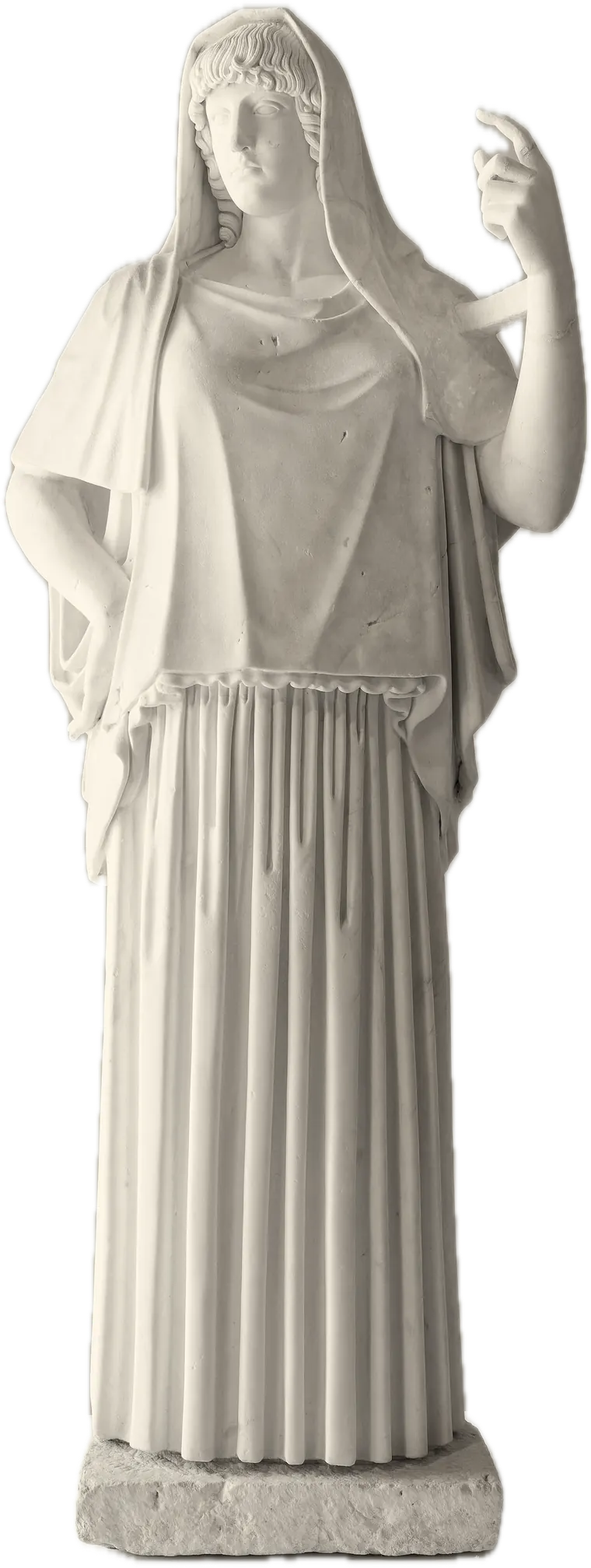
Both Apollo and Poseidon courted Vesta. She refused them both and vowed never to marry, and Zeus gave her the centre of the house. The hearth fire stood at the heart of every home and every city; colonists carried its flame with them, brides took fire from the hearth of their parents' house, and every sacrifice began with an offering to her.
The Roman Vestal Virgins entered the temple at six and served for thirty years. A Vestal who let the fire go out was flogged, and one who broke her vow was sealed in an underground chamber. They also had privileges, such as the best seats, and the power to pardon a condemned prisoner they met on the road. George believes that “virgin” originally meant whole and self-sufficient, belonging to no one. Read this way, someone with a strong Vesta who often spends time alone need not be counted as lacking anything.
In Latin the word for hearth is focus. People with a strong Vesta can gather all their strength into a single point and work at one thing for a long time; gathered too tightly, their horizons narrow. George also tells of the virgins bathing in spring water, withdrawing into themselves and becoming whole again. Today that is the need for time alone once dealing with people has worn you out, like always sitting in the car for a while after getting home from work before you are willing to go inside.
Chapter Nine: Vesta in the Horoscope
The signs describe twelve ways of focusing and what is given up for it; the houses describe where a person devotes herself. Florence Nightingale's Vesta was conjunct her Sun and Moon and opposed her Juno, and she set marriage aside to nurse the wounded soldiers of the Crimea. This one example makes the pull between Vesta and Juno clear: something you want to give yourself to completely and someone you want to be truly present for are always competing for the same hours.
Chapter Ten: Juno: The Divine Consort
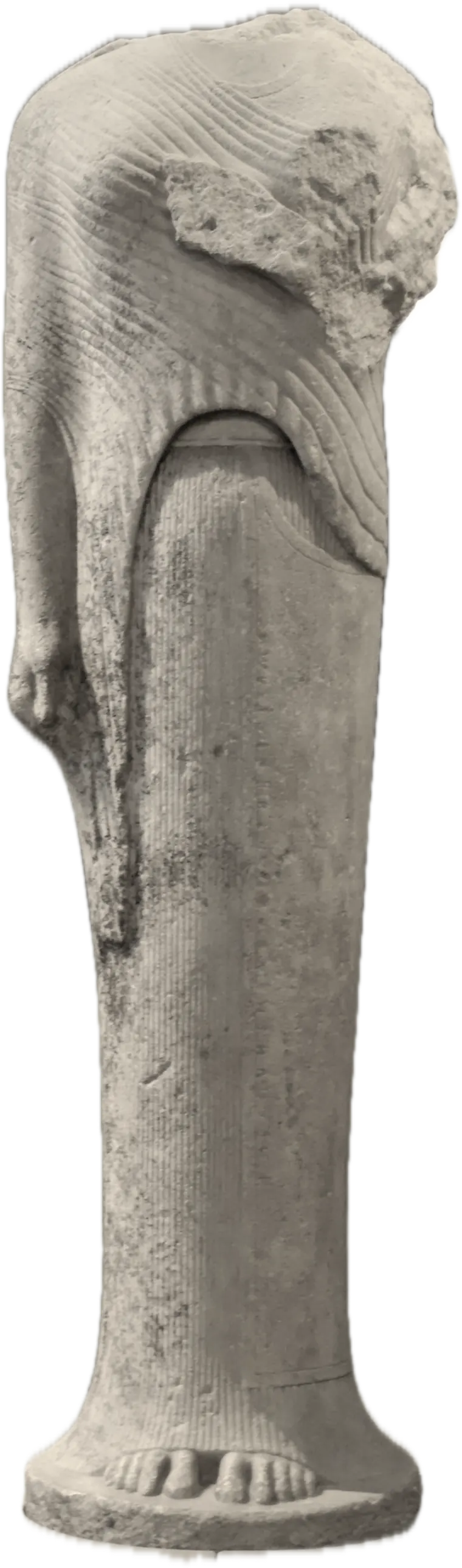
Juno's story begins with a trick. Zeus turned himself into a cuckoo, soaked and frozen, and flew into her lap. She warmed it in her cloak, and at once he returned to his own form and overpowered her, and in her shame she married him. A long struggle followed. Zeus struck her with thunderbolts; she joined with Pallas and Apollo to tie him to the bed; he in turn hung her from the sky with anvils on her feet. The only means of fighting back left to her was to persecute his lovers and his children.
Later tellings mostly speak only of her jealousy, and this beginning is rarely mentioned. George believes the “jealous wife” was originally the princess of a conquered people, a local goddess whom the Achaeans, moving south, turned into the wife of Zeus. So the score-keeping in love of someone whose Juno is under strain cannot be explained by jealousy alone. Such a person is often fighting for something of her own in an unequal relationship.
The two also had their reconciliations. She went back to her family in a temper, and Zeus made a veiled wooden statue as a bride and staged a lavish wedding procession. She rushed up and tore off the veil, found it was wood, and the two made up amid laughter. Parting and coming back are both counted within the commitment.
Juno's suffering lies in the denial of deep union in her marriage.
The second half is about the difficulties of relationship. When someone gives up a great deal for the other person and waits in vain for thanks, resentment slowly grows, and she may begin to envy the other's friends and work. A sacrifice that was never spoken is often one the other person knows nothing about, so when you start keeping this kind of account, pick one thing first and tell them.
Chapter Eleven: Juno in the Horoscope
The structure is the same as the earlier chapters, with one more layer: the sign and house of Juno also describe your ideal partner. Sartre's Juno was in Gemini in the eighth house, and what he sought from Beauvoir was deep intellectual conversation. Yeats's Juno was in Pisces in the first house, and many of his poems came from an idealized love.
Chapter Twelve: The Minor Asteroids: An Overview
Here six groups of twelve asteroids are discussed, grouped as lovers, warriors, liberators and so on, each with its myth, its position and how it shows in a chart. George explains them through higher and lower octaves: Mercury and Uranus, Venus and Neptune, Mars and Pluto each form a pair, with the asteroids standing between them as a bridge. Among the short entries is Lilith telling Adam that we both come from the same earth. Beginners can leave this chapter for now and return once the four goddesses are familiar.
Chapter Thirteen: An Astronomical Portrait of the Asteroids
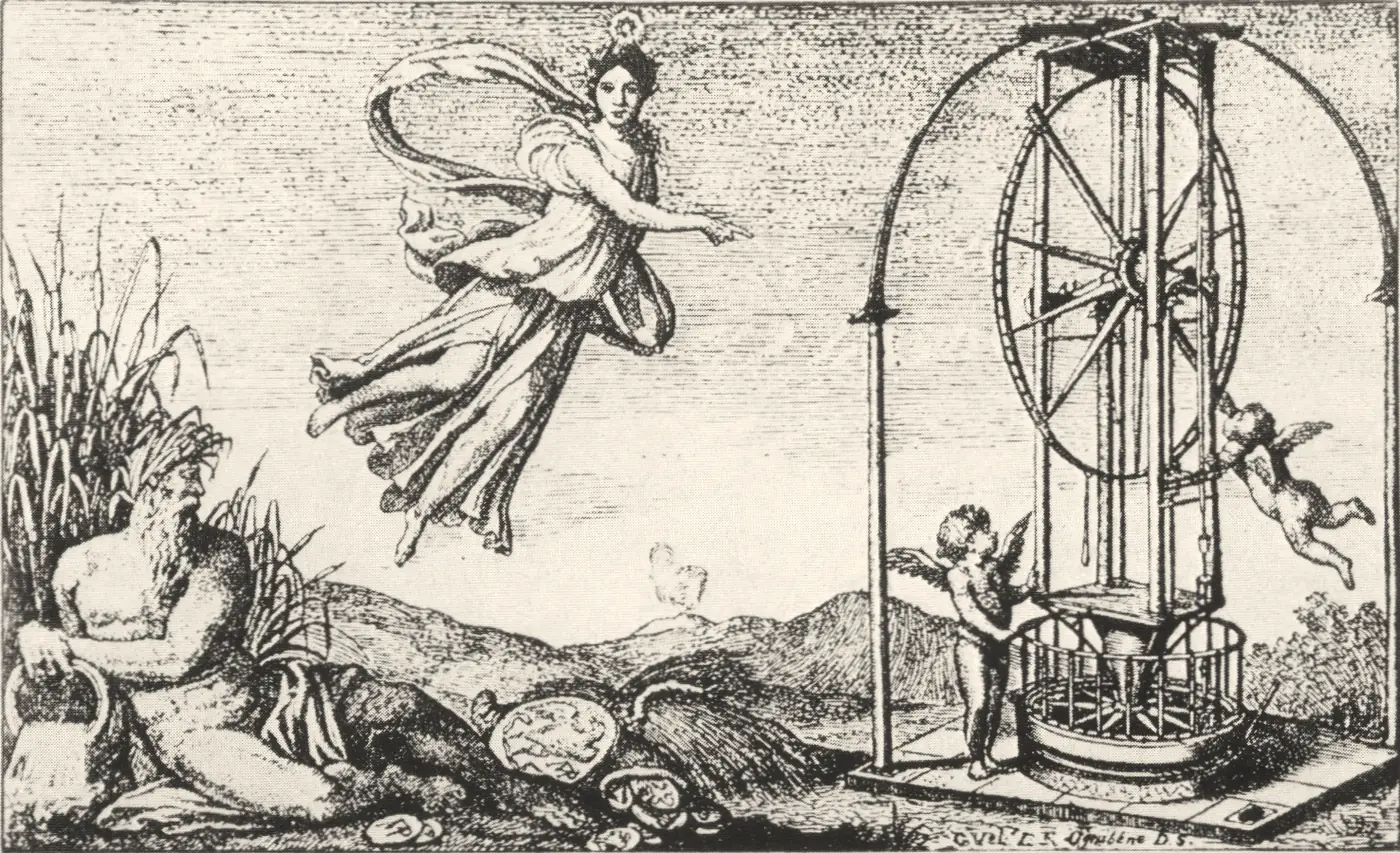
This chapter tells the history of their discovery. In 1596 Kepler wrote that he would place a planet between Mars and Jupiter. Later, people came to believe that the planets' distances followed a rule, and astronomers organized a “celestial police” to search for the missing one. On New Year's Day 1801, Piazzi found Ceres while correcting a star catalogue. Six weeks later he fell ill, and the planet was lost in the glare of the Sun. Gauss used a newly invented method of computing orbits to work out its position, and it was found again only at the end of the year. Pallas, Juno and Vesta followed in 1802, 1804 and 1807.
The data in this chapter stop in the 1980s; for size and origin, today's astronomical sources should be followed. Ceres was reclassified as a dwarf planet in 2006. That is a change of category; its position in the chart can be calculated just as before.
Chapter Fourteen: Epilogue
Very short. George asks readers to place the asteroids in their own charts and their clients', and says honestly that the interpretations in the book are only suggestions, and that one asteroid can vary a great deal from person to person.
How to Read This Book
Chapters Five, Seven, Nine and Eleven are entries and read like a dictionary, so there is no need to go through them from start to finish. Read the preface and Chapter Three first, then pick the goddess you are most curious about and read her myth chapter, then turn to the chapter on her in the horoscope and look up your own placement. Chapters Twelve and Thirteen can wait until last.
There are things to keep in mind with this book. Its mythological research leans heavily on the goddess-movement writing of the 1970s, and “the matrilineal age overpowered by patriarchy” is the thread running through the whole book. I take it as one of George's readings, not as settled history. The examples of famous people are all interpreted after the fact, and for their birth data only the source is cited; the data themselves are not given.
Say you turn to your Ceres and read the Capricorn entry, then the tenth-house entry, then the entry for Ceres square Pluto. Each one makes sense, but put together you do not know which to listen to. And that is only one of them. With all four in a single chart, Pallas may be helping you, Juno may be pulling against you, and Vesta may never have said a word. Putting them together means looking at the whole chart, and this is where readers tend to find it hard going.
Following this book, we have made a report called Your Four Goddesses in Depth, which takes exactly this step.
It begins with why George brought these four back into the chart, then reads them one at a time: first the goddess's story, then her sign, house and aspects in your chart. Ceres speaks of how you are cared for and how you care for others; Pallas of how you think things through and see how they work; Vesta of where you put your heart; Juno of what kind of partner you want.
The last section looks at the four together: which is strongest in your chart, which is quietest, and how the four divide the work between them. The asteroids' positions are calculated precisely by the program, and male readers can read it just as well.
Once your chart has been read, go back to the chapter where Ceres searches for her daughter, and you will know where you stand in the story.
 Your Four Goddesses in DepthSee report · $19